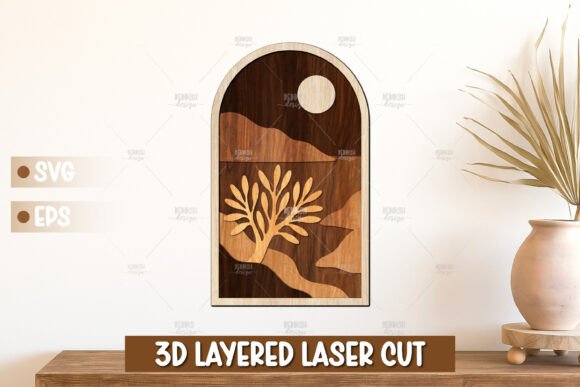
Canyon Tree Composition 3D Layered
As a blog designer and digital publisher, I’m always on the lookout for graphic design assets that can elevate content presentation and reader engagement. Canyon Tree Composition 3D Layered is one such asset that offers a unique blend of artistic flair and functional design. With its laser-cut aesthetic and layered structure, it brings a sense of depth and texture that can transform ordinary visuals into compelling editorial pieces.
First Impressions: Aesthetic That Speaks Volumes
The first thing you notice about Canyon Tree Composition 3D Layered is its visual richness. The intricate details and layered composition evoke a Greece style that feels both timeless and modern. This design asset has a lifestyle-focused vibe, making it ideal for content niches like travel, home decor, wellness, or nature-inspired blogs. It doesn’t feel overly playful or too serious—it strikes a balance between artistic expression and editorial quality.
For publishers, this kind of design asset can set the tone for a brand’s visual identity. It suggests a level of craftsmanship and attention to detail that readers associate with professionalism and trustworthiness. Whether used as a website header or a Pinterest pin, it creates an immediate impression that aligns with high-quality content marketing.
Real Publishing Use Cases: From Blog Graphics to Digital Guides
Canyon Tree Composition 3D Layered is incredibly versatile when it comes to real publishing workflows. It can be used as a featured image for blog posts, a striking header for articles, or even as a background for newsletter banners. Its layered structure allows for creative manipulation in Canva templates or digital guides, making it a valuable addition to any content creator’s toolkit.
For affiliate marketers, this design asset can serve as a lead magnet or downloadable printable that enhances the value of a content upgrade. As a digital product, it supports content marketing efforts by offering a polished, professional look that resonates with audiences. It also works well as a social media graphic, especially for platforms like Instagram or Pinterest where visual appeal drives engagement.
Supporting Content Performance: Visual Hierarchy and Brand Identity
One of the most important aspects of editorial design is visual hierarchy. Canyon Tree Composition 3D Layered helps establish clear focal points, guiding readers through content without overwhelming them. This is crucial for content pages that need to maintain readability while still looking visually engaging.
It also contributes to stronger brand identity. When used consistently across a website or newsletter, it reinforces a cohesive design system that readers come to associate with your brand. This consistency builds trust and makes your content more recognizable in a crowded digital space.
Where It Works Best: Hero Images, Pinterest Pins, and More
This design asset shines in high-impact placements such as hero images, article thumbnails, and Pinterest pins. Its layered structure adds dimension that stands out in a feed or on a landing page. For editorial layouts, it can act as a subtle accent that elevates the overall aesthetic without distracting from the main content.
It’s also great for downloadable resources like worksheets, eBook covers, or printables. When paired with a strong headline, it becomes a powerful visual tool that encourages downloads and engagement. In social media previews, it helps content stand out and increases the likelihood of clicks and shares.
Where to Use It Carefully: Avoid Overcomplication
While Canyon Tree Composition 3D Layered is visually appealing, it’s not a one-size-fits-all solution. On small mobile thumbnails, the intricate details may get lost, so it’s best to simplify or crop it for those specific use cases. In text-heavy blog images, it could compete with the copy rather than support it.
It also works less effectively in low-contrast backgrounds or busy layouts where the design might become visually overwhelming. For serious professional niches or corporate websites that prioritize minimalism, this asset might feel too decorative. Always test it in the context of your site’s overall design before full integration.
Publisher Notes: Testing and Optimization
Before using Canyon Tree Composition 3D Layered in live content, it’s essential to test it across different devices and screen sizes. Check how it looks as a thumbnail, inside a blog layout, and alongside various font styles. Ensure that it maintains clarity and readability when placed beside serif, sans serif, script, or handwritten fonts.
Also, pay attention to file size and web performance. Compress images appropriately to avoid slowing down page load times. Confirm that the commercial license allows for use on monetized websites, affiliate pages, or paid content products. Always review the terms of use to avoid legal issues down the line.
Final Thoughts: A Creative Asset for Polished Content
Canyon Tree Composition 3D Layered is more than just a graphic design asset—it’s a tool for building visual storytelling and enhancing editorial quality. Whether you’re designing a blog, crafting social media graphics, or creating digital guides, this asset offers a level of sophistication that can elevate your content marketing efforts.
Its versatility, combined with its ability to support brand identity and content performance, makes it a valuable addition to any publisher’s library. With proper testing and thoughtful placement, it can help create a more professional, engaging, and visually compelling online presence.